Effective Pressure Washing Techniques
Posted on: 2026-04-24
By: Liam Patterson
Understanding the ins and outs of pressure washing can transform not just the look of your home but also its longevity. Let's explore the essential techniques and insights that every homeowner should know to maintain their property effectively!
What You Will Learn
- Pressure washing effectively removes dirt, grime, and stains from various surfaces, enhancing your home's curb appeal.
- Choosing the correct pressure settings (PSI and GPM) is crucial for preventing damage while achieving a thorough clean.
- Regular pressure washing prevents mold, mildew, and dirt buildup, protecting your surfaces from long-term damage and costly repairs.
- Different surfaces require different pressure washing techniques; soft washing is ideal for delicate materials like vinyl siding.
- Investing in the right equipment, such as quality pressure washers and appropriate nozzles, ensures effective DIY cleaning projects.
- Post-washing care, like applying sealants, can help maintain cleanliness and protect surfaces for the long term.
Pressure Washing Techniques: Key Comparisons
Here's an overview of various pressure washing techniques along with their recommended pressure settings and applications. For more detailed information, check out our power washing guide.
Driveway Cleaning
Recommended Pressure: 3000 PSI
Applications: Removes oil stains, dirt, and grime effectively.
Vinyl Siding Cleaning
Recommended Pressure: 1500 PSI
Applications: Effective for maintaining the look of siding without damage.
Roof Cleaning
Recommended Pressure: 1000 PSI
Applications: Safe removal of algae and moss using soft washing techniques.
Deck and Fence Washing
Recommended Pressure: 1200 PSI
Applications: Preserves wood integrity while removing dirt and preventing rot.
Understanding Pressure Washing Techniques: A Guide for Homeowners
As a homeowner, you might be wondering, “What exactly is pressure washing and how does it work?” Well, you’re in the right place! Let’s dive into the basics and uncover the secrets behind this powerful cleaning technique that can transform your home's exterior.
What Is Pressure Washing and How Does It Work?
Defining Pressure Washing: The Basics
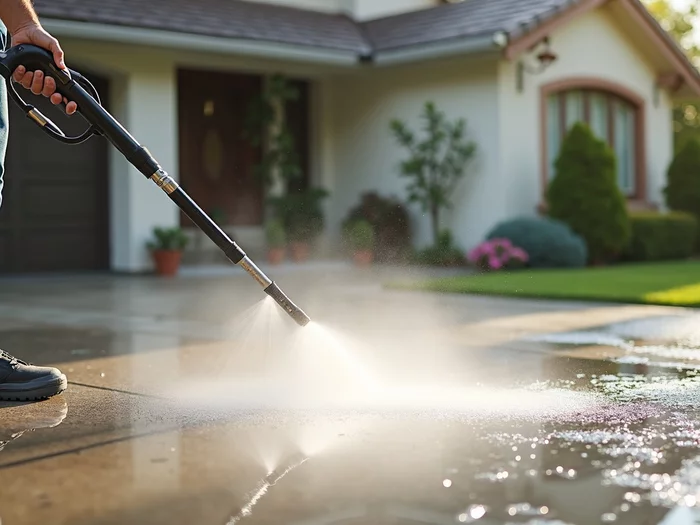
Pressure washing involves using a mechanical sprayer to propel water at high pressures onto surfaces, effectively removing dirt, grime, and stains. The result? A cleaner, more appealing exterior! At House Wash PA, we specialize in low-pressure washing techniques, which are safe for your home while still delivering fantastic results.
Many homeowners are surprised to learn that different surfaces require different pressure washing techniques. It’s essential to know what works best for your particular needs, whether it’s your siding, driveway, or deck.
The Science Behind Pressure Washing Techniques
The science of pressure washing lies in its ability to harness water pressure combined with the right cleaning solutions. Knowing how to adjust the pressure settings and choosing the correct cleaning agents can make all the difference. For instance, softer surfaces benefit from lower pressure, which prevents damage, while tougher surfaces can handle higher pressures to remove stubborn stains effectively.
Understanding the flow rate of water, measured in gallons per minute (GPM), is also crucial. It ensures that you're getting the most efficient clean possible without causing harm to your surfaces.
Key Benefits of Using Effective Pressure Washing Techniques
Enhancing Curb Appeal and Property Value
One of the primary reasons homeowners choose pressure washing is to enhance their home’s curb appeal. Nothing says “welcome” like a freshly cleaned exterior! Regular power washing can significantly increase your property value, making it more attractive to potential buyers.
- Boosts your home's appearance
- Increases market value
- Creates a welcoming environment
Imagine driving up to your home and seeing it gleaming, just like it did when you first moved in! That’s the power of effective pressure washing.
Preventing Damage Through Regular Maintenance
Another crucial benefit of pressure washing is the prevention of long-term damage. Over time, mold, mildew, and dirt can compromise your home’s surfaces, leading to costly repairs down the line. Regular cleaning eliminates these harmful elements and protects your investment.
By incorporating routine pressure washing into your home maintenance schedule, you're taking proactive steps to preserve your property. It’s about more than just looks; it’s about ensuring your home remains safe and sound.
Common Pressure Washing Techniques and Their Applications
Surface Cleaning: Patios, Driveways, and Walkways
When it comes to surface cleaning, pressure washing is a game changer! Patios, driveways, and walkways all benefit from this technique. You’ll be amazed at how quickly you can remove years of dirt and stains, leaving your outdoor spaces fresh and inviting.
- Effective for removing oil stains from driveways
- Restores the look of your patio
- Enhances safety by eliminating slippery mold
Roof Cleaning Techniques: Safety and Efficiency
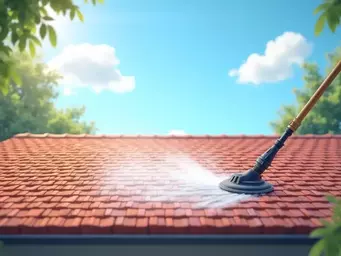
Cleaning your roof is one area where safety must come first. Using the right techniques ensures you’re removing debris and algae without damaging your shingles. At House Wash PA, we often employ soft washing methods for roofs, which use low pressure combined with eco-friendly solutions to safely clean without causing harm.
Deck and Fence Washing: Preserving Wood Integrity
Decks and fences require special attention to maintain their integrity. Regular washing helps remove dirt and prevent rot. Using the right technique not only cleans but also extends the life of your wooden structures, keeping them looking great for years!
Understanding Soft Washing for Delicate Surfaces
Soft washing is a technique we often recommend for those delicate surfaces like vinyl siding or painted wood. It’s a gentler approach that uses low-pressure water combined with cleaning solutions to effectively remove dirt without risking damage.
Choosing the Right Pressure Washing Equipment and Settings
Understanding Pressure Settings: PSI and GPM for Different Surfaces
Choosing the right pressure settings for your home is critical. PSI (pounds per square inch) measures the water pressure, while GPM (gallons per minute) measures the water flow. Different surfaces will require different settings to ensure effective cleaning without damage. For example:
- Driveways might require 3000 PSI
- Vinyl siding typically needs around 1500 PSI
- Soft washing for roofs can be as low as 1000 PSI
Taking the time to understand these settings will lead to better results and a safer cleaning experience!
Essential Equipment for DIY Pressure Washing
If you're considering a DIY approach, having the right equipment is essential. At House Wash PA, we recommend investing in a quality pressure washer that suits your needs. Here are some essentials:
- A reliable pressure washer (electric or gas)
- Appropriate nozzles for different surface types
- Detergents designed for exterior cleaning
With the right tools, you can easily tackle many cleaning projects around your home!
Exploring Electric vs. Gas Pressure Washers: Which Is Right for You?
When it comes to choosing between electric and gas pressure washers, it really depends on your specific needs. Electric models are quieter, easier to handle, and great for light to medium tasks. On the other hand, gas pressure washers typically offer more power and are ideal for heavy-duty jobs.
Before making a decision, consider factors like the size of your property and the types of jobs you’ll be tackling. If you're not sure, feel free to reach out—I love helping homeowners choose the best equipment for their needs!
Strategies for Effective Pressure Washing
Pre-Washing Preparations: What to Do Before You Start
Before getting started with pressure washing, there are some important preparations to consider. Start by clearing the area around the surface you'll be cleaning. Remove furniture, plants, and other obstacles to ensure a smooth process. It’s also crucial to check for any damages that might get worse during cleaning.
- Clear the area of debris
- Inspect surfaces for damage
- Gather your equipment and solutions
Post-Washing Care: Ensuring Long-Lasting Results
After you’ve finished pressure washing, it’s important to take steps to ensure the cleanliness lasts. For instance, applying a sealant on driveways or decks can protect them from future stains and damage. Regular maintenance checks can also help catch any issues before they become major problems.
Choosing the Right Detergents and Cleaning Solutions for Each Job
Using the right cleaning solutions is crucial for effective pressure washing. Not all detergents are created equal, and selecting the right one for the surface is key. At House Wash PA, we use eco-friendly solutions that are tough on grime but safe for your home and the environment.
Remember, the right products can enhance your results while keeping your family and pets safe!
Addressing Common Pressure Washing Questions
How to Identify When Pressure Washing Is Necessary
It’s not always easy to tell when your home needs a good wash. A quick visual inspection can help—look for dirt buildup, mold, or discoloration on surfaces. If you’re unsure, I’m always here to help you determine if it’s time for a cleaning!
Are There Risks Involved in DIY Pressure Washing?
Yes, there are risks involved in DIY pressure washing. Without the right knowledge and equipment, you might damage your surfaces or even injure yourself. That's why I'm passionate about educating homeowners on safe practices, ensuring your cleaning experience is both effective and safe!
Understanding Pressure Washing Safety: Best Practices to Follow
Safety should always come first! Here are some best practices to keep in mind:
- Wear protective gear, including goggles and gloves
- Always point the nozzle away from yourself and others
- Never stand on ladders while pressure washing
By following these guidelines, you can enjoy a successful and safe pressure washing experience!
Pro Tip
When selecting your pressure washing equipment, consider the surface you’ll be cleaning. For softer surfaces like vinyl siding, a pressure setting of around 1500 PSI is ideal to avoid damage. Meanwhile, tougher surfaces like concrete driveways can handle up to 3000 PSI. Matching the pressure to the material not only ensures effective cleaning but also prolongs the life of your surfaces!
Conclusion: Embracing Effective Pressure Washing Techniques
As we wrap up our discussion on effective pressure washing techniques, it’s clear that understanding the basics can greatly impact the maintenance of your home. By implementing the right methods, you not only enhance your home's curb appeal but also protect your investment in the long run. Whether you're planning to DIY or considering professional help, keeping these key techniques in mind will ensure you're well-equipped for the job!
Recap of Key Techniques and Benefits
Let’s take a moment to recap some of the main points we discussed about pressure washing. Here are the standout techniques and their benefits:
- Surface Cleaning: Efficiently removes dirt and grime from patios, driveways, and walkways.
- Roof Cleaning: Safely removes algae and moss to prolong the life of your roof.
- Deck and Fence Washing: Helps maintain wood integrity while enhancing appearance.
- Soft Washing: Ideal for delicate surfaces like vinyl siding to avoid damage.
By applying these techniques, you not only improve the aesthetic appeal of your home but also contribute to its longevity. Imagine hosting a gathering and being proud of your clean, inviting space!
Next Steps for Homeowners: When to Call a Professional vs. DIY
Now that you’re armed with knowledge about pressure washing, you might be wondering when it’s best to take matters into your own hands versus calling a professional like House Wash PA. Here's a simple guide:
- DIY: If the job involves easy access areas like sidewalks or decks, and you feel comfortable using the equipment.
- Call a Professional: For high or delicate surfaces, such as roofs or siding, where specialized techniques and equipment can prevent damage.
Consider your comfort level and the complexity of the task. If you ever feel unsure, it’s always wise to consult with a professional—after all, we’re here to help!
Engage with Us: Share Your Pressure Washing Experiences
I’d love to hear from you! Have you tried any of the techniques discussed? What were your experiences like? Feel free to reach out and share your stories. Connecting with fellow homeowners is a great way to learn and inspire each other in maintaining our beloved homes.
Exploring Customer Testimonials and Before and After Results
At House Wash PA, we take pride in the transformations we create for our customers. Check out our website for stunning before and after images showcasing our work! Real customers have shared their experiences, and it’s always rewarding to see the joy they find in their revitalized homes. Remember, a clean home is a happy home, and we’re here to help make that happen for you!
Recap of Key Points
Here is a quick recap of the important points discussed in the article:
- Understanding Pressure Washing: A mechanical sprayer uses high-pressure water to remove dirt, grime, and stains from various surfaces.
- Surface-Specific Techniques: Different surfaces require tailored pressure washing techniques to avoid damage, such as soft washing for delicate materials.
- Benefits of Regular Pressure Washing: Enhances curb appeal, prevents long-term damage, and can significantly increase property value.
- Essential Equipment: Invest in a reliable pressure washer, appropriate nozzles, and eco-friendly detergents for effective cleaning.
- Safety First: Always wear protective gear and follow best practices to ensure a safe pressure washing experience.
 Have you ever wondered how a simple wash can transform the appearance of your home? The magic of hou
 Did you know that neglecting your home’s exterior can lead to costly repairs and a decrease in pro
 Are you aware that ignoring roof stains can lead to severe consequences for your home? Cleaning your